Eye Serum
Vitamin C and Hyaluronic Acid: How to Use Them Together

Healthy skin routines don’t have to be complicated. If you have ever wondered whether vitamin C and hyaluronic acid can be used together, the answer is yes. They can offer hydration, brightness, and a smoother texture when used properly. A lot of skin care guides online talk about these ingredients individually, but knowing how they work together really does translate into your results.
This guide spells everything out in plain language: what each product does and how to layer them, who it’s for, and which steps you must not skip when creating a routine that feels doable.
Why Vitamin C and Hyaluronic Acid Work So Well Together
Many dermatologist-fronted websites you see recommending that people layer vitamin C and hyaluronic acid serums do so not simply because the two ingredients can work in complementary ways, but also because they address slightly different skin needs without directly competing with one another.
Vitamin C: Brightening and Protection
Vitamin C is known to help even out the skin and build the skin’s defence against environmental stress. Used consistently, it can make skin appear fresher and more even. Vitamin c hyaluronic acid-people often opt for a vitamin c hyaluronic acid serum because it only takes this one step to not only brighten the dark spots on their face, but also deeply hydrate the skin.
Hyaluronic Acid: Hydration and Comfort
While vitamin C focuses on tone and defence, hydration comes from hyaluronic acid. This ingredient attracts water to the skin, helping it feel plump and comfortable. It works well for dry, dull, or tired-looking skin.
Together, these two ingredients balance each other. Vitamin C energises the skin’s appearance, while hydration helps reduce tightness or dryness that some people feel when introducing active ingredients.
How Each Ingredient Supports Skin Health
Understanding how they work individually makes it easier to know why they complement each other so well.
Benefits of Vitamin C
-
Supports a brighter-looking skin tone.
-
Helps improve the appearance of uneven pigmentation.
-
Gives skin a fresher, more awake look.
-
Works well in morning routines when paired with SPF.
Many people ask when to use a vitamin C serum in their routine. Generally, morning use is popular because it sits comfortably under moisturiser and sunscreen.
Benefits of Hyaluronic Acid
-
Helps skin feel hydrated without heaviness.
-
It can soften the look of fine lines caused by dryness.
-
Works well across all skin types, including sensitive skin.
If you’re unsure how to use hyaluronic acid, apply it to slightly damp skin and seal it with a moisturiser. This helps the ingredient retain moisture rather than evaporate.
How to Layer Vitamin C and Hyaluronic Acid Correctly
A common question seen across top-ranking skincare blogs is whether order matters. The answer is yes, but it’s simple.
Step-by-Step Routine
-
Cleanse with a gentle cleanser suitable for your skin type.
-
Apply your vitamin C product first, as it is usually lighter in texture.
-
Follow with your hydrating serum.

-
Finish with moisturiser and SPF during the day.
The goal is to allow each product to absorb without feeling heavy or sticky. This layering method supports comfort and helps maintain balance throughout the day.
Vitamin C and Hyaluronic Acid for Different Skin Types
Not every routine works the same for everyone. Here’s how different skin types can benefit from vitaminCc and hyaluronic acid.
Dry Skin
Hydration is the main focus here. Pairing vitamin C with a good hydrating layer helps prevent tightness. Look for a vitamin c and hyaluronic acid serum that combines both ingredients if you prefer fewer steps.
Oily or Combination Skin
Lightweight formulas are key. Choose water-based serums that absorb quickly without leaving residue.
Sensitive Skin
Start slowly. Use vitamin C every other morning and apply a gentle hydrating layer afterwards. Hydration can help reduce the chance of irritation.
Can You Use Retinol and Hyaluronic Acid With Vitamin C?
Many people compare ingredients when building routines, especially when considering retinol, hyaluronic acid, and vitamin C.
Vitamin C and retinol both support skin renewal, but they are often used at different times of the day. Vitamin C is often used in the morning, while retinol is typically applied at night. Hydration, however, works well in both routines.
When discussing Vitamin C vs Retinol, it’s not really about choosing one over the other. They simply play different roles. Hydration is a supportive step that helps skin stay comfortable regardless of the active ingredient you use.
Common Mistakes When Using Vitamin C and Hyaluronic Acid
Even though these ingredients are beginner-friendly, a few habits can reduce their effectiveness.
1. Applying Too Many Products at Once
Layering too many serums can overwhelm the skin. Focus on consistency rather than quantity.
2. Skipping Moisturiser
Hydration works best when sealed in with a moisturiser. Without it, the skin may still feel dry.
3. Using Strong Products Without Building Tolerance
Introduce active ingredients slowly to see how your skin responds.
How to Build a Simple Routine Around Vitamin C and Hydration
Many high-ranking skincare articles highlight routines that feel realistic rather than complicated. Here’s a balanced daily structure:
Morning Routine
-
Cleanser
-
Vitamin C serum
-
Hydrating serum
-
Moisturiser
-
SPF
Evening Routine
-
Cleanser
-
Retinol (if part of your routine)
-
Hydrating layer
-
Moisturiser
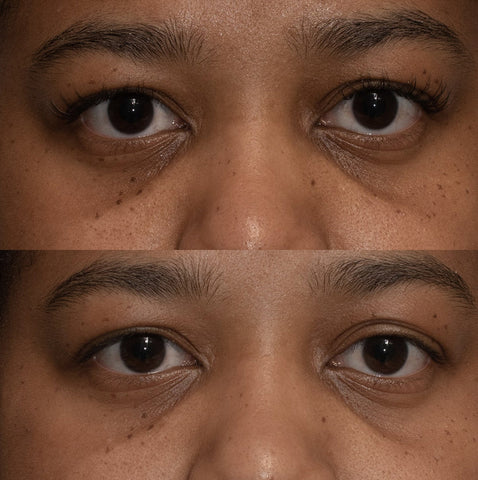
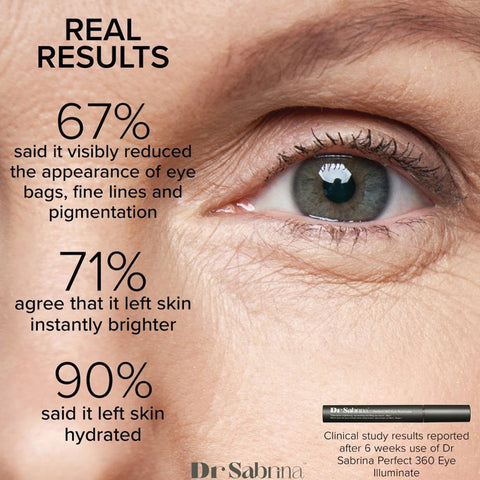
If your focus is eye care, consider adding a targeted under-eye serum to help hydrate and brighten the delicate areas.
How Often Should You Use Vitamin C and Hyaluronic Acid?
Consistency matters more than strength. Most people benefit from daily use, but frequency depends on how your skin feels.
-
Vitamin C: Often used once daily in the morning.
-
Hydration: Can be used morning and evening.
If irritation appears, reduce frequency and allow your skin to adjust gradually.
Choosing the Right Vitamin C Hyaluronic Acid Serum
With so many options available, choosing the right vitamin c hyaluronic acid serum can feel confusing. Here’s what to look for:
-
Lightweight texture that absorbs easily.
-
Stable vitamin C form suitable for daily use.
-
Added soothing ingredients to support comfort.
Remember that consistency matters more than switching products frequently.
Expert Tips for Better Results
Many dermatologist-led skincare blogs emphasise the same principles:
-
Keep routines simple and repeatable.
-
Introduce one new product at a time.
-
Focus on hydration alongside active ingredients.
A steady routine built around vitamin c and hyaluronic acid serum often feels easier to maintain long-term.
Final Thoughts
Using vitamin C and hyaluronic acid together is one of the simplest ways to support brighter, more hydrated-looking skin without complicating your routine. Vitamin C helps improve the appearance of tone, while hydration keeps the skin feeling comfortable and balanced.
The key isn’t using more products; it’s understanding how each step works together. With consistent use and a routine that suits your skin type, this pairing can become a reliable foundation for healthier-looking skin over time.
FAQs
1. Can vitamin C and hyaluronic acid be used together daily?
Yes, most people use them daily without issues. Start slowly if your skin is sensitive.
2. Should vitamin C go before or after hyaluronic acid?
Vitamin C usually goes first because it is lighter in texture.
3. Can beginners use vitamin c hyaluronic acid serum?
Yes, many beginners start with combination formulas because they simplify routines.
4. Is hyaluronic acid safe for oily skin?
Yes, hydration helps balance the skin without feeling heavy.
5. Can I use retinol and hyaluronic acid with vitamin C?
Yes, but retinol is often used at night, while vitamin C is used in the morning.