

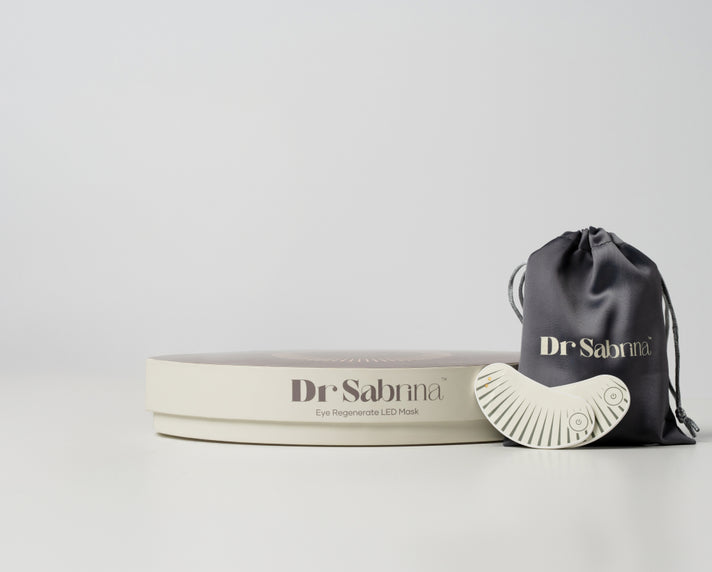


Eye Mask
How to Apply Hyaluronic Acid for Smoother, Healthier-Looking Skin

If you’ve long wondered how to use hyaluronic acid correctly, you’re well on your way. This product appears in nearly every skincare routine today, yet most people are not seeing results because they are not using it correctly. When not done properly, it can even make the skin feel tighter or drier than before.
This guide breaks everything down straight, how to apply it, when, how often and even how to layer with other products so that you can actually feel the difference on your skin.
What Is Hyaluronic Acid and Why Is It So Popular?
Hyaluronic acid is a natural substance that’s present in your skin, joints and connective tissues. It’s primarily responsible for gripping water and for holding tissues cushioned and hydrated. In skincare, it’s prized for its ability to draw moisture and maintain softness and elasticity.
“It decreases as we age, and when it is lacking it can result in dryness, fine lines and a dull complexion,” she says. Applying topical hyaluronic acid helps replace some of that lost hydration , so the skin appears healthier and more comfortable throughout the day.
Why Skin Loves This Ingredient So Much
Knowing what hyaluronic acid does will help you appreciate the benefits of proper use.
Deep hydration support
Hyaluronic acid draws water to the skin’s surface and revitalises hydration in the skin's outer layer, so it feels soft, smooth and supple. Smooth, soft skin is the result of those magical water levels, and you’reunlikelyy to experience much flaky dryness or irritation.
Improved skin texture over time
Hydrated skin will appear more plump, which in turn minimises the appearance of fine lines. While it does not “erase” wrinkles, it minimises their appearance by enhancing skin flexibility.
Suitable for all skin types
Whether your skin tends toward oiliness, dryness, sensitivity, or a combination of the three, hyaluronic acid plays well with others. It hydrates without clogging pores, so it won’t cause breakouts when used properly.
How to Use Hyaluronic Acid: Step-by-Step
How to use hyaluronic acid: No, it’s not enough to just apply a serum. Timing and technique, as it turns out, are everything.
Step 1: Cleanse. The skin should be Left Just Damp.
Do not dry your face after washing it. Water is needed for hyaluronic acid to work — applying it to totally dry skin can reduce the acid’s effectiveness and even cause a feeling of tightness.
Gently pat dry with a towel, leaving skin damp. It gives the ingredient something to bind to, rather than drawing water out of deeper layers of your skin.
Step 2: Layer On Your Hyaluronic Acid Serum
When figuring out how to use hyaluronic acid serum, less is more. A tiny bit goes a long way, covering your whole face and neck.
Pat or press the serum into the skin very gently rather than rubbing it in forcefully. This promotes even absorption and avoids unnecessary friction (essential if you have sensitive skin down there).
|
Struggling with tired, dehydrated under-eyes? Give your skin a hydration reset with the Dr Sabrina Relax & Refresh Eye Mask and feel the difference from the first use. Grab it Today! |
Stage 3: Lock everything in with a moisturiser
This is one of the most crucial steps and the most frequently omitted. Hyaluronic acid draws moisture, but without a moisturiser on top, that hydration can evaporate.

A cream or lotion applied after the serum seals in moisture to the skin barrier, making hydration last longer.
Step 4: Apply Sunscreen in the Morning
And make sunscreen the wrap-up of your morning routine. That hydrated skin is more resilient, but UV exposure breaks down collagen and reduces moisture levels in the end. Sunscreen preserves the hydration work you’ve done.
Hyaluronic Acid: How Often Should You Use It?
One of the most common questions people ask is, “How often should I use hyaluronic acid for best results?” For most skin types, hyaluronic acid is safe and effective to use once or twice a day as part of a regular skincare routine.
Using it in the morning helps keep the skin hydrated and comfortable throughout the day, while nighttime application supports moisture balance and helps relieve dryness as the skin repairs itself. When used consistently, it can also support smoother skin texture, especially when paired with the right under-eye serum for delicate areas.
If you have very sensitive skin, it’s best to start with once-daily use and gradually increase as your skin responds. Consistency matters more than quantity; using a small amount daily delivers better long-term results than applying a large amount occasionally.
Common Mistakes That Reduce Results
There’s no product, however good, that will work if you’re not using it properly. Here are mistakes worth avoiding.
Applyington Completely Dry Skin
Without water for hyaluronic acid to bind to, it could draw the water that is in the deeper layers of your skin.” It can make the skin feel tight rather than moisturised.
Skipping Moisturiser
Without a cream to contain the serum, hydration evaporates quickly. This provides us with a long-lasting, comfortable, and visible result.
Using Too Much Product
You don’t need to overload the skin: excess doesn’t make a product work faster to get absorbed, and no benefit is incurred by applying too much. A thin, even coat absorbs more fully and works better.
How to Layer Hyaluronic Acid with Other Skincare Products
Many people wonder about hyaluronic acid and how to use it alongside other active ingredients.
Hyaluronic acid plays nicely with most other ingredients. It pairs particularly well with vitamin C in the morning for added glow and hydration. At night, it pairs nicely with retinol in that it can help counteract any dryness or tightness that retinol may produce.
If you are using hyaluronic acid in a lightweight serum (like these recommended serums for oily skin), you may apply it before your cream or ointment in the same step. This is a layering protocol for maximum product workability.
What Results Can You Realistically Expect?
-
Immediate comfort and softness
Skin usually feels softer and more comfortable soon after application, especially if dryness or tightness was present before. -
Smoother and more hydrated texture over time
With regular use, skin holds moisture better, which helps it look smoother and slightly plumper throughout the day. -
Healthier-looking, balanced skin
Consistent hydration supports the skin barrier, making skin less prone to dryness, irritation, and uneven texture.
A Simple Daily Routine You Can Stick To
Morning Routine
-
Cleanse gently
Removes overnight oil and prepares the skin for better absorption. -
Apply hyaluronic acid to damp skin.
Helps the ingredient bind moisture effectively. -
Moisturise and protect
Lock in hydration with a moisturiser and finish with sunscreen.
Evening Routine
-
Cleanse thoroughly
Clears away makeup, sunscreen, and daily buildup. -
Apply hyaluronic acid serum.
Supports hydration and skin comfort overnight. -
Seal with a nourishing moisturiser.r
Helps prevent moisture loss while you sleep. -
Weekly boost (optional)
Use a hydrating mask or eye treatment once or twice a week for extra care.
|
Hydration works best when it’s targeted. Add the Dr Sabrina Relax & Refresh Eye Mask to your routine and support smoother, refreshed under-eyes where moisture matters most. Grab it Today! |
Conclusion
There’s a right way to use Hyaluronic acid that will make your skin look and feel different every single day. It is used on a little damp skin and then put moisturiser over to seal it, so that helps hold in the moisture, making the skin feel more comfortable as well as look smoother/healthier over time.
The key is consistency and the right layering. In short, a consistently simple regimen repeated every day will do wonders compared to shocking the skin with products. Regular use proves the Benefits of hyaluronic acid: skin feels smoother, appears more even and retains moisture throughout the day.
FAQs
1. Can I use hyaluronic acid every day?
Yes, hyaluronic acid is gentle enough for daily use and can be applied once or twice a day depending on your skin’s needs.
2. Should hyaluronic acid be applied before or after moisturiser?
It should be applied before moisturiser so it can attract moisture, which is then sealed in by the moisturiser.
3. Is hyaluronic acid suitable for oily or acne-prone skin?
Yes, it is lightweight and non-greasy, making it suitable for oily and acne-prone skin when used correctly.
4. Can hyaluronic acid be used with other active ingredients?
Yes, it pairs well with ingredients like vitamin C, niacinamide, and retinol, helping reduce dryness caused by stronger actives.
5. How long does it take to see results?
You may feel immediate softness, while visible improvements in hydration and smoothness usually appear within a few weeks of consistent use.


