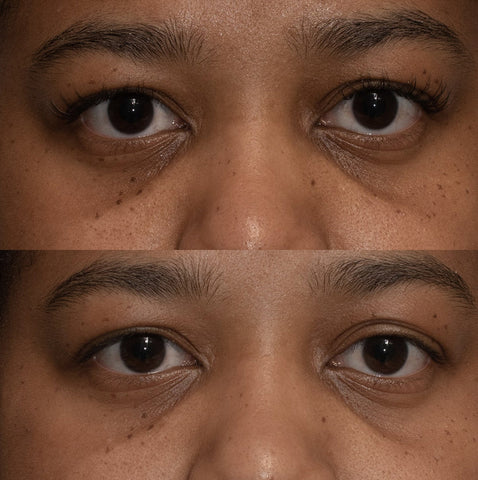
Eye Serum
Dry Skin vs Dehydrated Skin: How to Tell the Difference

Your skincare routine might be flawless, but if your skin still feels rough, dull, or tight, chances are you’re targeting the wrong problem. Many people assume they have dry skin when, in fact, they are dealing with dehydration. The two can look and feel deceptively similar, but they aren’t the same.
Understanding the difference between dry skin is crucial for selecting treatments and products that effectively address your skin's needs. What seems like stubborn dryness might just be temporary water loss, which requires an entirely different approach than treating oil deficiency.
Whether you're a skincare lover, someone struggling with persistent flakiness, or noticing that your expensive moisturiser isn’t doing its job, this guide will help you finally understand what your skin is really asking for.
What People Usually Mean When They Say “Dry Skin”
When someone says, “My skin is dry,” they often mean that it feels rough or lacks a healthy glow. However, true dry skin is more than just a temporary feeling; it is a distinct skin type, much like oily or combination skin. Many people with dry skin also want to understand the benefits of collagen for skin, as collagen supports firmness and elasticity that dry skin often lacks.
Definition: A Skin Type That Lacks Oil
Dry skin occurs when the sebaceous (oil) glands don’t produce enough natural oil, known as sebum. Sebum creates a protective barrier that helps your skin retain moisture and defend against environmental aggressors. Without enough of it, your barrier weakens, and your skin loses water faster than it should.
Common Signs and Symptoms of Dry Skin
Dry skin sends out clear signals that it’s short on oil:
-
Rough or uneven texture.
-
Tiny, almost invisible pores.
-
Flaky patches and visible dry scales, especially on cheeks and forehead.
-
Persistent tightness, particularly after washing your face.
-
Fine lines that look accentuated due to a lack of suppleness.
Sometimes, dry skin can feel itchy or irritated after cleansing or exposure to cold weather. Applying moisturiser offers some relief, but dryness often returns because the underlying issue, the lack of oil, remains.
Who Commonly Has Dry Skin
This skin type often runs in families. If your parents have dry or sensitive skin, you’re likely to have it too. Dry skin also becomes more common with:
-
Age: As we grow older, natural oil production slows down.
-
Climate: Dry air, wind, and low humidity steal natural oils from the skin.
-
Lifestyle: Hot water and frequent cleansing with strong soaps further weaken barrier oils.
People living in air-conditioned or heated environments often notice increased dryness, as indoor air typically has little humidity.
What “Dehydrated Skin” Actually Is
Dehydrated skin is often misunderstood, partly because it can affect anyone with dry, oily, or combination skin types. It’s not a skin type but rather a temporary condition that indicates your skin lacks sufficient water content. Many people don’t realise that dehydration lines under eyes are one of the earliest signs of this condition.
Definition: A Skin Condition That Lacks Water
Imagine your skin cells as sponges. When well-hydrated, they stay plump, flexible, and reflective, giving your face a fresh glow. When they’re deficient in water, those sponges deflate , making the skin look dull and tired, even if oil production is normal or high.
Dehydration, unlike dryness, is often a result of environmental factors, lifestyle habits, or skincare routines that strip away or fail to replenish moisture.
Common Signs and Symptoms of Dehydrated Skin
-
A feeling of tightness, even though you might look oily.
-
Lack of radiance or a dull, matte tone.
-
Fine lines that look like thin crinkles on the surface.
-
Makeup that settles into creases or looks patchy.
-
Occasional sensitivity and increased redness.
The tricky part about dehydration is that you can experience both oily shine and dryness simultaneously, especially around the nose or forehead. Your skin might overproduce oil to compensate, creating a confusing mix of dryness and greasiness.
The Quick Pinch Test
To check if your skin is dehydrated, try this easy test: Gently pinch the skin on your cheek and hold it for a second.
-
If it bounces back slowly, your skin may be dehydrated.
-
If it feels rough but snaps back quickly, your skin is likely just dry.
This quick test helps identify whether your skin needs water (hydration) or oil (moisture).
Dry Skin vs Dehydrated Skin - A Side-by-Side View
Here’s a simple breakdown highlighting the difference between dry and dehydrated skin:
|
Comparison Factors |
Dry Skin |
Dehydrated Skin |
|
Nature |
Skin type (genetic or permanent) |
Skin condition (temporary or environmental) |
|
What It Lacks |
Natural oils (sebum) |
Water (moisture content) |
|
Common Feel |
Rough, flaky, sometimes itchy |
Tight, papery, less elastic |
|
Appearance |
Dull and rough with visible flakes |
Dull with fine lines and a tired look |
|
Who Can Have It |
People with naturally low oil production |
Any skin type, even oily |
|
Duration |
Long-term unless managed |
Short-term, can be reversed quickly |
|
Main Causes |
Ageing, genetics, and harsh cleansers |
Low hydration, diet, and environmental stressors |
|
How to Test |
Persistent flakiness |
Slow snap-back in the pinch test |

Understanding this chart helps you decide whether your skin needs more oil or water , because using the wrong products (such as heavy oils on dehydrated skin) can backfire.
Causes and Triggers
Poor skincare habits, environmental stressors, or internal imbalances can aggravate both dryness and dehydration.
External Causes
-
Cold or dry weather: Low humidity pulls moisture from your skin.
-
Hot showers: Extended exposure to hot water strips natural oils.
-
Harsh cleansers: Sulfate-based foams often disrupt pH balance.
-
Over-exfoliation: Excessive peeling or scrubbing can damage the skin's barrier function.
-
Air conditioning and heating systems can create dry air that draws moisture from the skin.
Internal Causes
-
Inadequate water intake: Dehydration begins from within.
-
Alcohol and caffeine can both cause dehydration in your skin.
-
Unbalanced diet: Lack of essential fatty acids can weaken your barrier.
-
Hormonal changes: Reduced estrogen levels can lead to dryness.
-
Medications: Some prescriptions (retinoids, diuretics) reduce oil or water reserves in the skin.
In short, skin dryness or dehydration isn’t always just a matter of genetics; it’s often tied to lifestyle and environmental factors.
Daily Routine: Fixes for Dehydrated Skin
Dehydrated skin requires a routine built around water restoration and retention. The goal is to help your skin absorb and retain moisture through gentle layering.
Morning Routine
-
Begin with a gentle, non-irritating cleanser. Use hydrating ones with glycerin or amino acids rather than foaming variants.
-
Mist or tone with hydration. Look for ingredients like panthenol, hyaluronic acid, or aloe vera that draw water into the skin.
-
Use a hydrating serum. Prioritise humectants such as hyaluronic acid, urea, beta-glucan, or sodium PCA.
-
Seal in with a gel-cream. Lightweight moisturisers with squalane or ceramides help maintain balance without greasiness.
-
Finish with SPF 30+. Dehydration worsens under UV exposure, even in indoor environments.
Evening Routine
-
Remove impurities with a gentle gel cleanser or micellar water.
-
Replenish hydration with a balancing toner or spray essence.
-
Apply a serum rich in humectants and antioxidants to help repair daily damage.
-
Lock in all that moisture with a creamy, water-rich night moisturiser.
-
Optional: A few drops of facial oil during colder months boost protection.
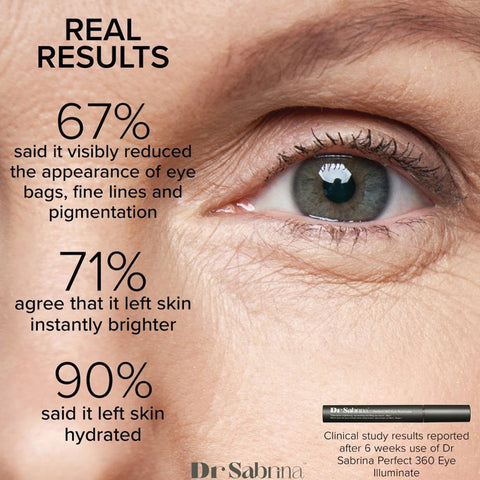
Brighten Tired Eyes in Just a Few Weeks!Ready to smooth fine lines and revive dull under-eyes? Discover Dr Sabrina™ Perfect 360° Eye Illuminate, a dermatologist-developed formula designed to hydrate, firm and brighten the delicate eye area. |
Lifestyle and Extra Care
-
Drink enough fluids. Hydration begins within.
-
Avoid overusing clay masks, which can temporarily dry out the skin.
-
Sleep in a room with a humidifier. Ideal humidity: 40–60%.
-
Eat more water-rich foods, such as cucumbers, oranges, spinach, and tomatoes.
-
Reduce your intake of caffeine, soda, and alcohol.
Small, consistent changes like these often help restore skin hydration within two weeks.
Daily Routine: Fixes for Dry Skin
Unlike dehydrated skin, dry skin needs additional oils and long-term barrier repair. The right regimen helps restore balance and prevents further water loss.
Morning Routine
-
Use a creamy, low-lather cleanser containing ceramides or oat extract to help protect your skin's natural oils.
-
Skip harsh toners. Instead, use calming mists or hydrating sprays.
-
Apply a facial oil before moisturiser to add nourishment.
-
Seal it with a thick moisturiser containing shea butter, ceramides, or petrolatum.
-
Always apply sunscreen. Dry skin is particularly sensitive to UV-induced ageing.
Night Routine
-
Cleanse gently to avoid stripping essential lipids.
-
Apply a nutrient-rich serum or facial oil containing omega-3 and six fatty acids.
-
Follow up with a barrier-restoring cream; this helps lock in both oil and hydration.
-
Apply an occlusive balm to especially dry areas, such as the corners of the mouth or nose.
Smart Lifestyle Adjustments
-
Take short, warm showers (not hot).
-
Install a gentle water softener if you live in an area with hard water.
-
Apply moisturiser within 60 seconds after showering to trap water.
-
Incorporate healthy fats, such as olive oil, salmon, and flaxseeds , in your diet.
-
Avoid exfoliating too often. Once a week is sufficient for very dry skin.
Products and Ingredients to Look For If You Have Dehydrated Skin
Look for:
-
Hyaluronic acid: Draws water into the skin.
-
Glycerin: Retains hydration in the outer layer.
-
Panthenol (Vitamin B5): Calms and strengthens.
-
Aloe vera: Soothes while hydrating.
-
Lactic acid (mild): Gently removes dead cells without drying.
Avoid:
-
High alcohol content.
-
Astringent-based toners.
-
Harsh exfoliating acids or scrubs.
If You Have Dry Skin
Look for:
-
Ceramides and fatty acids: Repair the barrier function.
-
Squalane or jojoba oil: Replace lost sebum.
-
Shea butter or cocoa butter: Deeply moisturising and soothing.
-
Petrolatum or beeswax: Seal moisture.
Avoid:
-
Fragrance-heavy products.
-
High levels of alcohol or menthol.
-
Overuse of foaming cleansers.
The formula you choose should provide your skin with both what it has lost and what it needs to retain moisture for dryness and replenish water for dehydration. A well-chosen under-eye serum can also help support hydration in the delicate orbital area if dryness or dehydration is showing around the eyes.
Conclusion
Your skin’s health depends on understanding what it truly needs, not what you assume it does. The difference between dry and dehydrated skin may sound technical, but it fundamentally changes how you approach your skincare.
Dry skin lacks oil; dehydrated skin lacks water. One is a type, the other a condition. With the right diagnosis, routine, and guidance, both can be improved dramatically.
If you’re uncertain whether your skin needs more hydration or moisture, visit our clinic for a personalised skin evaluation. Our dermatologists specialise in diagnosing and designing care routines that restore comfort, glow, and lasting balance so your skin feels as healthy as it looks.
FAQ
1. Can oily skin be dehydrated?
Yes. Oily skin often becomes dehydrated due to over-cleansing or skipping moisturiser. When deprived of water, your skin produces more oil to compensate, which can create shine and clog pores.
2. Can you have both dry and dehydrated skin?
Absolutely. You may lack both sebum and water, resulting in chronic dryness accompanied by dullness or flaking. The fix: balance hydration first, then rebuild oil content.
3. How long does it take to repair dehydrated skin?
With consistent care, visible improvement typically occurs within 7–10 days. However, barrier strengthening may take one full skin cycle (28 days).
4. How should products be layered?
The general sequence should be:
Cleanser → Toner → Serum → Moisturizer → SPF (daytime)
Cleanser → Essence → Serum → Rich cream → Optional facial oil (nighttime)