Eye Serum
Different Types of Under Eye Bags: Symptoms, Treatment and Causes

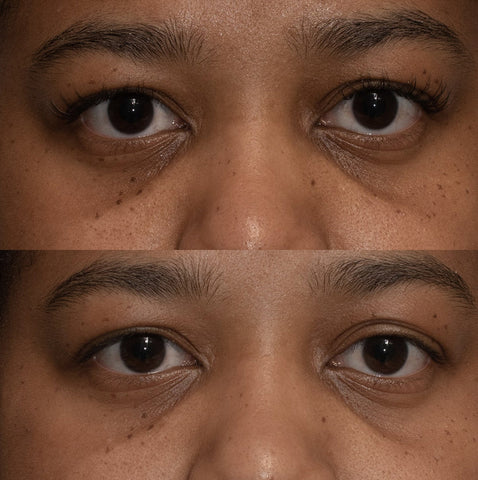
The types of under eye bags you develop depend on the cause behind them. They mainly include fluid-based bags (caused by water retention), fat-based bags (caused by shifting orbital fat), skin laxity bags (from collagen loss), and malar bags (fluid or fat sitting lower on the cheekbones).
The skin around the eyes is exceptionally thin and produces less natural oil than the rest of the face. Because of this delicate structure, it is highly susceptible to showing signs of fatigue, dehydration, and environmental damage. However, the type of bags you develop under the eye can be vary and it is important to identify them to choose the right care solution. What works wonders for temporary morning swelling will not work for structural fat changes. Identifying your specific issue is the secret to restoring a refreshed, awakened appearance.
What Causes the Different Types of Bags Under Eyes?
Before you follow a strict hydration routine to go for an advanced aesthetic procedure, understand the underlying cause behind eye bags. Puffiness and shadows are rarely caused by a single factor. Usually, they are the result of a combination of structural changes in the skin and daily lifestyle habits. Here’s what actually triggers your delicate tissues:
Genetics and Bone Structure:
You might inherit a bone shape and natural fat pad placement or puffiness from grandparents and parents. This means you are more likely to have an under-eye area as well.
The Ageing Process:
With time skin ages and produces less collagen and elastin. Moreover, the orbital septum, which holds protective eye fat in place, also weakens. This allows the fat to slip forward and create a visible bulge.
Fluid Retention:
Salt intake, alcohol or seasonal allergies cause the body to hold onto excess water. The thin skin under the eye pools up most of the fluid, creating visible bags, especially in the morning.
Environmental Stressors:
Daily exposure to ultraviolet (UV) rays and pollution accelerates the breakdown of healthy skin cells. Smoking also reduces circulation and degrades elastin, making the skin thinner and more prone to sagging.
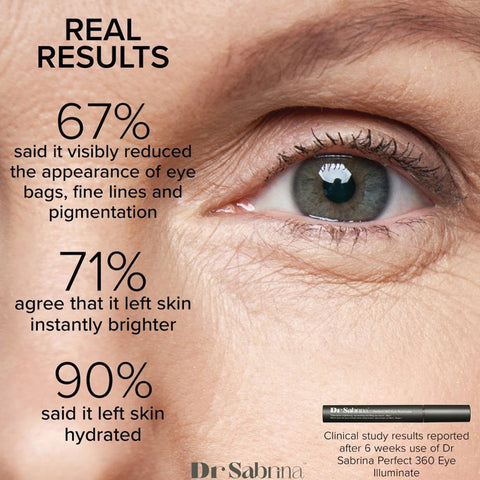
Advanced Care for Fine Lines and PuffinessThe delicate under-eye area requires scientifically backed ingredients to target signs of fatigue. The Dr Sabrina™ Perfect 360 Eye Illuminate
Try Now! |
|||
The 4 Types of Under Eye Bags Explained
Mostly it feels like a sign of fatigue or lack of sleep, but the under-eye bags are deformities in the lower eyelid region in many ways. These are the 4 types of under eye bags that help you best understand the causes and how to return to your confident self again.

1. Fluid-Based Bags (Aqueous Oedema)
Fluid-based bags are temporary swellings that occur when water accumulates in the loose, spongy tissue beneath the eyes. They are notoriously worse in the morning upon waking, as fluid settles in the face whilst lying down.
-
Appearance: Throughout the day, as gravity helps drain the lymphatic system, these bags tend to fluctuate in size or disappear completely.
-
Common Triggers: They are commonly triggered by salty evening meals, allergies, crying, or hormonal shifts.
2. Fat-Based Bags (Adipose Prolapse)
Unlike fluid, fat-based bags are a permanent structural change. They occur when the protective fat that naturally surrounds and cushions the eyeball pushes forward into the lower eyelid. As this is a physical displacement of tissue, the bulge remains constant.
-
Appearance:
Does not change size from morning to evening. Has progressing or permanent swelling. The skin appears loose under the eye.
-
Common Triggers:
They are most commonly linked to the natural ageing process or genetic predisposition.
3. Skin Laxity Bags (Sagging Skin)
Rather than a buildup of fat or fluid, skin laxity bags are the direct result of depleted collagen and elastin proteins. The skin essentially loses its firm structural support and begins to drape or sag.
-
Appearance:
These appear as pockets of loose, wrinkled, or 'crepey' skin hanging beneath the eye. -
Common Triggers:
Sun damage, smoking, and chronological ageing are the primary culprits for this loss of elasticity.
4. Malar Bags (Festoons)
Malar bags, also known as festoons, sit slightly lower than typical eye bags. They can feel soft and fluid-filled and are often the most difficult type of puffiness to manage without professional intervention.
-
Appearance:
They appear as swollen mounds on the upper cheekbones, where the lower eyelid meets the cheek. -
Common Triggers:
Festoons are caused by a combination of muscle laxity, severe sun damage, and chronic lymphatic fluid retention.
How to Identify the Different Types of Under Eye Bags
If you are unsure which category your puffiness falls into, you can perform a few simple tests at home. Understanding the different types of under eye bags ensures you do not waste time on remedies that will not work for your specific anatomy.
-
The Look-Up Test:
Stand in front of a mirror and keep your head straight. Slowly look up towards the ceiling. If the bulge beneath your eye becomes significantly more prominent or pops forward, it is highly likely to be a fat-based bag.
-
The Touch Test:
Gently press a clean finger against the puffy area. Fluid-based bags typically feel soft, spongy, and squishy. In contrast, fat-based bags feel slightly firmer, deeper, and more contained within a specific compartment.
-
The Time-of-Day Observation:
Pay close attention to how your eyes look at 8:00 AM versus 8:00 PM. If the puffiness is severe when your alarm goes off but practically gone by dinner time, you are dealing with fluid retention. If the shape and size remain identical all day, it is likely fat or skin laxity.
Clinically Proven Radiance for Tired EyesWhen topical creams are not enough, opt for advanced light therapy to support skin structure and tone. Dr Sabrina™ Relax & Refresh Eye Mask is powered by multi-molecular weight hyaluronic acids and peptides. It is designed to diminish puffiness and signs of fatigue. Grab it Today! |
|||
Effective Treatments for Puffiness and Sagging
Once you have identified your specific concern, curate a targeted routine. Mild concerns can heal with consistent home-based remedies or a few tweaks in your daily habits. Menwhile severe or chronic eye bags may require proper skincare or professional treatments.
Lifestyle Adjustments
For fluid-based puffiness, small daily habits make a massive difference. Sleeping with your head slightly elevated on an extra pillow stops fluid from pooling in the facial tissues overnight. Staying hydrated and reducing your daily salt intake helps flush out excess water retention.
Home Remedies
When seeking a quick morning fix, many wonder what type of tea bags under eyes works best. Caffeinated green or black tea bags, steeped and then chilled in the fridge, are highly effective. The cold temperature combined with the natural caffeine helps to temporarily constrict dilated blood vessels, rapidly reducing soft, fluid-based swelling.
Targeted Skincare Ingredients
For skin laxity and mild fat-based bags, a robust topical routine is essential to support the skin's barrier and boost collagen.
-
Caffeine: Excellent for morning use, caffeine stimulates microcirculation and constricts blood vessels to deflate puffiness fast.
-
Peptides: These act as building blocks for the skin, signalling it to produce more collagen and elastin. Peptides can firm slack tissue and strengthen the delicate under-eye area.
-
Hyaluronic Acid: A powerful hydrator that draws moisture into the skin, instantly plumping the surface to minimise the hollow shadows that often make bags look worse.
Advanced and Clinical Solutions
It is important to note that, while skincare is incredibly effective for fluid, hydration, and skin texture, genetic fat-based bags and severe festoons rarely disappear with creams alone. For deep structural issues, clinical solutions are often required. These can include non-surgical options like radiofrequency microneedling to tighten the skin or dermal fillers to smooth out hollow tear troughs. For permanent removal of prominent fat pads, a surgical lower blepharoplasty (fat repositioning or removal) is the medical gold standard.
Conclusion
Whether you are dealing with morning fluid retention, permanent fat prolapse, or festoons, knowing the exact cause of your puffiness is the only way to find a solution that truly works. While lifestyle tweaks and cool compresses will go on, the smarter approach is to include at least one skincare product in your regimen that directly tackles the issue. For example, the Dr Sabrina™ Perfect 360 Eye Illuminate serves a dual purpose. It brightens dark shadows and smooths out delicate fine lines with its advanced triple-action liposomal formula.
So, know the type of under-eye bags you are struggling with and pamper yourself with the mornings that feel fresh and the skin that feels youthful!
Frequently Asked Questions
1. Can you permanently get rid of genetic eye bags?
While high-quality skincare can improve skin texture and reduce temporary fluid swelling, genetic fat-based eye bags usually require professional clinical treatments. Procedures such as radiofrequency or a surgical blepharoplasty are good for permanent fat removal.
2. Do allergies cause under eye bags?
Yes. Allergic reactions trigger the release of histamines, which cause inflammation, redness, and increased blood flow under the eyes. This leads to a buildup of fluid in the spongy tissue, resulting in temporary but prominent fluid-based puffiness.
3. Does drinking water help with bags under eyes?
Absolutely. Proper hydration helps to flush out toxins and reduce the severe fluid retention that causes squishy, fluid-based under-eye bags, especially in the mornings.
4. How to tell if my eye bags are fat or fluid?
If your bags seem to be surrounded by a hollow orbital rim, they are flat. Meanwhile, a fluid bag does not change much with gaze (middle left, centre and right images). They may not always be restricted by the orbital rim hollow in the bottom.