


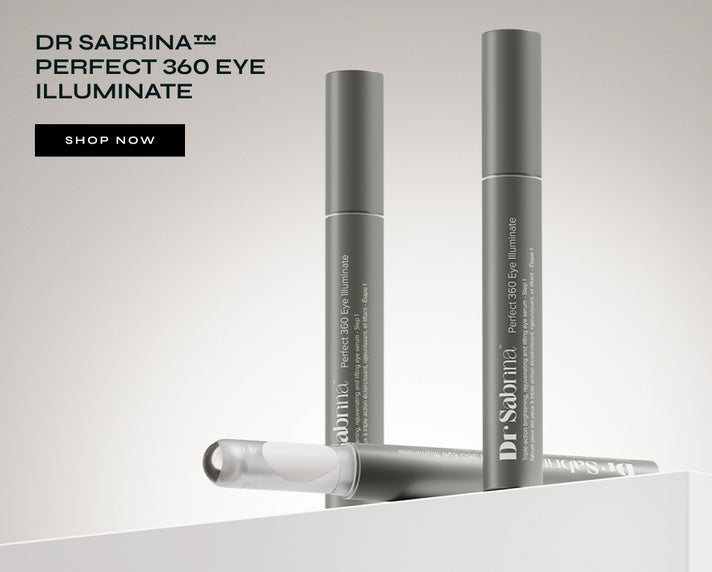


Eye Serum
Collagen vs Gelatin: Key Differences, Benefits & Which Is Better

When it comes to enhancing skin health, joint strength, and overall well-being, Collagen vs Gelatin is a topic that is always being debated. Both are strong proteins sourced from the same origin, but they differ in benefits and application.
If you've ever asked yourself, "Is gelatin the same as collagen?" or considered, "Can I use gelatin instead of collagen?"—this article will leave you without any questions.
Let's find out how collagen and gelatin differ, what they do well, and which one will work best for you.
Quick Comparison: Key Differences Between Collagen and Gelatin
Both collagen and gelatin offer similar health benefits, but they differ in structure, usage, and how the body absorbs them. The table below breaks down the difference between collagen and gelatin to help you decide which one suits your needs best.
|
Feature |
Collagen Peptides |
Gelatin |
|
Source |
Animal connective tissue |
Cooked collagen (from the same source) |
|
Structure |
Hydrolysed, broken-down protein |
Denatured protein forms a gel when cooled |
|
Solubility |
Dissolves in hot & cold liquids |
Dissolves in hot liquids only |
|
Absorption |
Quick and easy absorption |
Slower absorption |
|
Best For |
Supplements, drinks, smoothies |
Cooking, gummies, and desserts |

What Is Collagen?
Collagen is a structural protein found naturally in the body and plays a key role in skin firmness, joint strength, and overall tissue support. It is especially important for healthy skin, flexible joints, strong hair, and resilient nails. When discussing collagen vs gelatin benefits, collagen is often highlighted for its role in skin elasticity and anti-ageing support.
What Is Gelatin?
Gelatin is a cooked form of collagen, created when collagen is heated and broken down. It is commonly used in foods like jellies, desserts, soups, and broths because of its thickening and setting properties. In the comparison of collagen vs gelatin benefits, gelatin is often valued for digestive support and its use in traditional cooking.
Collagen vs Gelatin: What's the Real Deal?
Now let's get into the difference between collagen and gelatin in more detail:
Form:
Collagen is a triple-helix in structure, which gives it strength and durability. Gelatin, which is heated collagen, is single-chain in structure.
Application:
Collagen peptides dissolve readily in hot or cold water without gelling and are thus ideal for smoothies and coffee. Gelatin gels when cooled, so it is more suitable for desserts.
Absorption:
Collagen peptides are hydrolysed, i.e., they are broken down into smaller amino acids to be absorbed more quickly. Gelatin requires digestion first before absorption.
Health Benefits:
Both are good for skin, joints, bones, and gut health. However, collagen peptides are a bit more versatile when it comes to supplementation.
When searching "what is the difference between collagen and gelatin," it is evident: they contain the same amino acids but with differences in processing, structure, and functional use.
Health Benefits of Gelatin and Collagen
Both Collagen vs Gelatin possess remarkable health benefits:
Skin Health:
Repeated usage may improve skin elasticity and hydration. Formulations such as Under eye serum for dark circles work beautifully in combination with collagen supplements to improve skin brightness and firmness.
Joint Health:
Both facilitate the rebuilding of cartilage and joint pain relief.
Gut Health:
Gelatin, especially, has the ability to calm the gut lining and aid digestion.
Bone Strength:
They help to increase bone density and strength, lowering the risk of osteoporosis.
What is the difference between collagen and gelatin?
The main difference is in processing and structure. Collagen peptides are hydrolysed for easy digestion, whereas gelatin is utilised primarily in cooking and has to gel when chilled.
By understanding the difference between collagen and gelatin, you can choose the right product for your health goals.
Which Should You Select?
1. Select Collagen Peptides if:
- You prefer to add something to coffee, tea, or smoothies.
- You require rapid absorption for healthy skin, joints, and hair.
2. Select Gelatin if:
- You prefer creating homemade gummies, desserts, or thick soups.
- You desire a product that will favour your gut lining.
- You are interested in the use of traditional cooking techniques.
Regardless of your preference, both serve pivotal functions in bolstering your health and vitality. When listening to Collagen vs Gelatin being discussed, keep in mind—it's not so much about which one is superior overall; it's about which will benefit you more!
How to Add Collagen and Gelatin to Your Lifestyle
Adding either of these proteins is simpler than you would suppose:
- Have collagen peptides in your morning coffee.
- Apply gelatin for healthy desserts.
- Pair topical treatments such as Tretinoin around the eyes with internal collagen supplementation for enhanced anti-aging benefits.
- Stack your skincare with Under eye serum for dark circles in addition to hydrating from within with bone broth containing gelatin.
In the end, both Collagen vs Gelatin can be tremendous supporters of your health journey. A mere minute daily habit—a collagen coffee or a gelatin dessert—can result in measurable improvements over the long term.
Collagen vs Gelatin – Key Differences
-
Absorption: When comparing collagen vs gelatin benefits, collagen is easier to dissolve and absorb, especially in hydrolysed supplement form. This makes it convenient for daily use in drinks and powders.
-
Usage: Collagen is mainly used as a supplement for wellness and beauty goals, while gelatin is commonly used in cooking. Gelatin thickens and sets foods, making it ideal for soups, broths, and desserts.
-
Benefits: Collagen supports skin elasticity, joint mobility, and hair and nail strength. Gelatin is more focused on digestive support and gut lining health.
Which Is Better: Collagen or Gelatin?
-
Collagen: Collagen is better suited for supplements targeting skin firmness, joint comfort, and overall structural support. It fits easily into a daily routine without changing food texture.
-
Gelatin: Gelatin works best for cooking and traditional recipes like bone broth and jellies. It is often chosen for gut health support and for those who prefer nutrients from whole foods.
Conclusion
No one loses in the war of Collagen and Gelatin—only varying benefits. Knowing the distinction between the two makes you better equipped to make decisions about your own health. Whether you're addressing wrinkles, enhancing gut health, or alleviating joint pain, both gelatin and collagen can offer great help to offer.
Next time you're searching for skincare boosters, such as Under eye serum for dark circles or treatments such as Tretinoin near the eyes, consider adding collagen or gelatin supplementation to them. Your skin and body will appreciate it!
FAQs
1. Is gelatin equal to collagen?
No, but it is related to it closely. Gelatin is a derivative of collagen made by heating it, altering its structure.
2. Can I substitute gelatin with collagen?
Yes, to cook and make gels with. But for rapid absorption when used in supplements, collagen peptides are superior.
3. Collagen and gelatin: How are they different?
The chief difference between gelatin and collagen is their form and application: collagen peptides readily dissolve, but gelatin gels when chilled.
4. For skin health, is collagen better than gelatin?
Both assist, but collagen peptides are more quickly absorbed and can provide faster results for skin, particularly when combined with treatments such as Tretinoin near the eyes.
5. Can gelatin or collagen reduce dark circles?
They can aid in skin health and elasticity, which can complement the effects of topical treatments such as Under eye serum for dark circles.


