

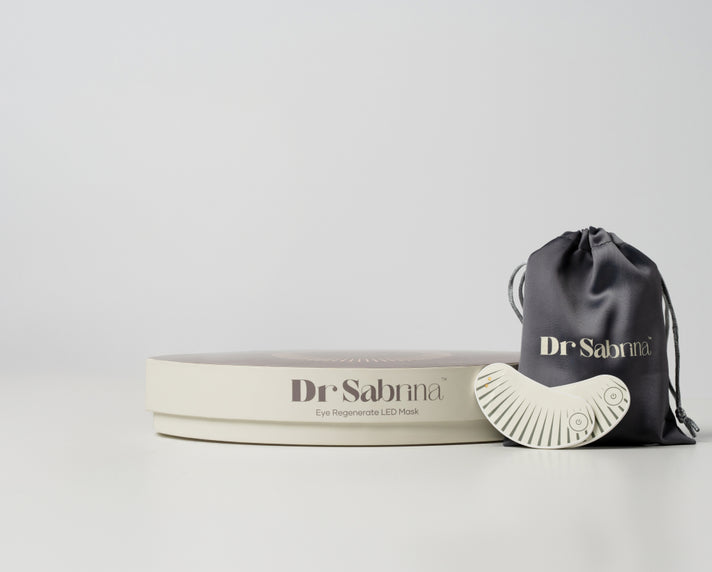


Eye Mask
Foods That Cause Dark Circles Under Eyes

Foods that cause dark circles under eyes are mainly those that lead to dehydration, inflammation, and poor skin health. These include salty snacks, sugary foods, alcohol, processed meals, and excessive caffeine. They can make the under-eye area look darker, puffier, and more tired by affecting blood flow and skin thickness.
While dark circles are not always caused by diet alone, what you eat plays a strong role in how your skin looks. Improving your diet can help reduce under-eye darkness and support healthier, brighter skin over time.
Key Takeaways
-
Certain foods increase puffiness and make under-eyes look darker
-
Sugar and processed foods weaken skin quality over time
-
Dehydration is one of the biggest triggers for dark circles
-
A balanced diet can improve under-eye appearance gradually
Why Do Foods Affect Dark Circles Under Eyes?
The under-eye area is one of the thinnest parts of your skin, which makes it very sensitive to internal changes. Even small imbalances in your diet can quickly reflect in this area.
-
Impact on hydration
Foods high in salt or alcohol can pull water out of your body. This makes the skin under your eyes look dry, sunken, and darker because it loses its natural plumpness.
-
Effect on blood circulation
A poor diet can slow circulation, causing blood to pool under the eyes. This creates a bluish or purple tone, which appears as dark circles.
-
Skin quality and collagen loss
Sugary and processed foods damage collagen over time. As collagen reduces, the skin becomes thinner, making dark circles more visible.
Foods That Cause Dark Circles Under Eyes
1. Salty Foods (High Sodium Intake)
Salty foods are among the most common causes of puffiness and dark shadows under the eyes.
-
Water retention and swelling
When you consume excess salt, your body holds onto water to balance it. This often leads to swelling under the eyes, making the area look heavier and darker. -
Common high-salt foods
Packaged snacks, instant noodles, processed meats, and takeaway meals are often loaded with sodium. Regular consumption can make under-eye puffiness a daily issue.
2. Sugary Foods and Drinks
Sugar does more than affect weight; it directly impacts your skin quality.
-
Breakdown of collagen
High sugar intake damages collagen through a process called glycation. This weakens the skin under your eyes, making it thinner and more prone to darkness. -
Long-term dullness
Regular intake of sweets, soft drinks, and desserts can make your skin look tired and uneven. Over time, this contributes to persistent dark circles.
3. Alcohol
Alcohol is a major contributor to dull and tired-looking eyes.
-
Dehydration effect
Alcohol removes water from your body, leaving your skin dry and less elastic. This makes the under-eye area look hollow and darker.
-
Sleep disruption
It also affects sleep quality, which is another major factor behind dark circles. Poor sleep, combined with dehydration, significantly worsens the appearance.
4. Excess Caffeine
Caffeine in moderate amounts is fine, but excess intake can create problems.
-
Sleep imbalance
Too much caffeine can interfere with your sleep cycle. A lack of proper rest directly leads to darker, more noticeable under-eye circles. -
Dehydration risk
Caffeine can also act as a mild diuretic, meaning it can contribute to fluid loss. This again makes the under-eye area appear dry and dull.
5. Processed and Junk Foods
Highly processed foods lack essential nutrients needed for healthy skin.
-
Inflammation in the body
These foods often contain unhealthy fats and additives that trigger inflammation. This can cause puffiness and worsen dark circles. -
Low nutritional value
Since they lack vitamins and minerals, they fail to support skin repair and regeneration, making under-eye darkness more visible over time.
6. Refined Carbohydrates
Refined carbs can quietly affect your skin health.
-
Blood sugar spikes
Foods like white bread, pasta, and sugary cereals quickly increase blood sugar levels. This leads to inflammation, which can show up as dull and uneven skin. -
Reduced skin glow
Over time, these foods reduce your skin’s natural glow and make the under-eye area appear darker and more tired.
What Deficiencies Can Cause Dark Circles?
Sometimes dark circles are not just about harmful foods but also missing nutrients.
-
Iron deficiency
Low iron levels can reduce the oxygen-carrying capacity of the blood, making the skin appear pale. This contrast makes dark circles look more prominent. -
Vitamin C and collagen support
Vitamin C helps in collagen production. Without it, the skin becomes thinner and less firm, making dark circles more visible. -
Vitamin K and circulation
This vitamin helps with proper blood flow. Poor circulation can lead to a darker appearance under the eyes.
Can Diet Alone Cause Dark Circles?
Diet plays a major role, but it is not the only factor behind dark circles.
-
Other contributing factors
Lack of sleep, genetics, ageing, and screen exposure all affect the under-eye area. Even with a good diet, these factors can still cause dark circles. -
Combination approach works best
Many people combine lifestyle changes with solutions like skincare or learning how to cover dark circles while working on long-term improvement.
How to Improve Dark Circles Through Diet
Making better food choices can gradually improve your under-eye appearance.
-
Include hydrating foods
Fruits like watermelon, cucumber, and oranges help maintain hydration levels. This keeps the skin plump and reduces the appearance of darkness. -
Focus on nutrient-rich meals
Adding leafy greens, nuts, and seeds helps provide essential vitamins. These nutrients support skin repair and improve overall tone. -
Reduce harmful foods slowly
Instead of cutting everything at once, gradually reduce salt, sugar, and processed foods. This makes it easier to maintain long-term changes.
Still noticing dark circles even after improving your diet?Support your under-eye skin from the outside as well:
Try the Dr Sabrina Eye Regenerate LED Mask Today! |
Best Skincare Support Alongside Diet
Diet works best when combined with the right skincare.
-
Choose targeted products
Look for ingredients like hyaluronic acid and peptides that hydrate and strengthen the skin. These help improve under-eye texture over time. -
Consistency matters
Regular use of the right products gives better results than occasional use. Small daily habits can lead to visible improvement.
If you are exploring the best products for dark circles, focus on solutions that support hydration and skin repair.
Other Lifestyle Tips to Reduce Dark Circles
Lifestyle plays a big role in how your under-eye area looks.
-
Improve sleep quality
Getting 7–8 hours of proper sleep allows your skin to repair. Poor sleep is one of the fastest ways to make dark circles worse. -
Reduce screen exposure
Long screen time strains your eyes and affects circulation. Taking breaks helps reduce stress on the under-eye area. -
Manage stress levels
High stress can affect your overall health and skin quality. Relaxation techniques can indirectly improve your skin's appearance.
When Should You Consider Professional Treatments?
If dark circles do not improve with diet and skincare, advanced treatments may help.
-
Skin boosters and hydration treatments
These improve skin quality and hydration levels under the eyes, making the area look fresher. -
Laser and PRP treatments
These treatments focus on improving circulation and collagen production, which helps reduce darkness over time.
Conclusion
Foods that can cause dark circles under the eyes include salty snacks, sugary foods, alcohol, and processed meals, which can affect hydration, skin quality, and circulation. While these foods can worsen the appearance of dark circles, making better dietary choices can help improve your skin over time. Combining a healthy diet with proper skincare and lifestyle habits gives the best results.
Using a good Eye serum can also help improve elasticity and reduce puffiness when used consistently. For deeper concerns, professional treatments can provide more targeted improvement and long-term benefits.
FAQs
1. What foods should I avoid for dark circles?
Avoid salty snacks, sugary foods, alcohol, and processed meals. These can cause dehydration and inflammation, making dark circles more noticeable.
2. Can drinking water reduce dark circles?
Yes, proper hydration helps improve skin texture and reduces puffiness under the eyes, making them look less dark.
3. Does sugar make dark circles worse?
Yes, excess sugar damages collagen and thins the skin, which can make dark circles more visible.
4. How long does it take to improve dark circles with diet?
It usually takes a few weeks of consistent healthy eating to notice visible improvements in skin tone and texture.
5. Is caffeine bad for dark circles?
In excess, yes. It can affect sleep and hydration, both of which contribute to dark circles.


