




Eye Cleanser
Eyelid Redness: Causes, Symptoms, and Effective Treatment Options

People from different age groups experience eyelid redness as an eye problem, which brings them physical discomfort. The condition manifests as three symptoms: dry, red eyelids; redness, itching, and ongoing irritation.
People experience red eyelids due to skin sensitivity, inflammation, allergies, and skin conditions that require proper medical treatment. The skin treatment process depends on three elements, which include understanding the causes of eyelid redness, the signs of the condition and the effective medical solutions for treatment.
What Is Eyelid Redness?
Eyelid redness refers to inflammation or irritation of the delicate skin around the eyes. The eyelids have some of the thinnest skin on the body, which makes them especially sensitive to environmental triggers, skincare products, and internal changes.
Redness may appear with:
-
Itching or burning
-
Dryness or flaking
-
Mild swelling
-
A gritty or itchy irritated eye feeling
-
Sensitivity to light or touch
For some, the redness is temporary. For others, it becomes a recurring issue that requires targeted care.
Red Eyelids: Common Causes You Should Know
Understanding the causes of red eyelids is key to choosing the right treatment. Some of the most common triggers include:

1. Allergies and Irritants
Pollen, dust, pet dander, makeup, lash glue, or skincare products can easily irritate the eyelids. Even products used on the face or hair can migrate to the eye area, causing inflammation.
2. Dry Skin and Barrier Damage
Dry red eyelids often develop when the skin barrier is compromised. This can happen due to over-cleansing, harsh products, cold weather, or frequent eye rubbing.
3. Blepharitis
Blepharitis is a common eyelid condition caused by inflammation at the lash line. It can lead to redness, itching, flaking, and a gritty sensation in the eyes.
4. Eczema or Contact Dermatitis
People with eczema or sensitive skin may experience eyelid redness during a flare-up. Contact dermatitis can occur when the skin reacts to a specific product or ingredient.
5. Eye Strain and Fatigue
Prolonged screen use can contribute to eye irritation and redness, especially when combined with dryness or poor blinking habits.
If redness is accompanied by swelling or pain, it may also overlap with conditions discussed in Swollen Eyelid: Causes and Treatment, which highlights when medical assessment is important.

Red Itchy Eyelids: Why It Happens
Red, itchy eyelids are often linked to inflammation or allergic reactions. The urge to rub the eyes can make symptoms worse by further damaging the skin barrier and introducing bacteria.
Common triggers include:
-
Seasonal allergies
-
Eye makeup or removers
-
Harsh cleansers
-
Environmental pollution
Breaking the itch-rub cycle is essential for healing.
Symptoms That Often Come With Eyelid Redness
Eyelid redness rarely appears alone. Many people also notice:
-
Dryness and tightness
-
Flaking or scaling skin
-
Burning or stinging
-
Itchy, irritated eye sensation
-
Mild swelling around the eyelids
If redness spreads into the whites of the eyes, it may be helpful to explore What causes red eyes? to rule out other eye-related concerns.
Red Eyelids Treatment: What Actually Helps?
The best red eyelids treatment focuses on calming inflammation, repairing the skin barrier, and avoiding further irritation.
1. Gentle Cleansing Is Essential
Avoid harsh soaps or foaming cleansers around the eyes. Instead, use a product designed specifically for the eye area to remove debris, allergens, and makeup without stripping the skin.
|
If eyelid redness keeps recurring, switching to a gentle, eye-safe cleanser can make a noticeable difference. A hydrating, non-irritating formula like Dr Sabrina Hydrating Eye Cleanser helps cleanse the eyelids while supporting the skin barrier and reducing dryness. Grab it Today! |
2. Moisture and Barrier Support
Keeping the eyelids hydrated helps reduce flaking and sensitivity. Look for soothing ingredients that support skin repair rather than heavy fragrances or actives.
3. Avoid Known Triggers
Pause eye makeup and skincare products during flare-ups. Reintroduce products slowly, one at a time, once the redness has settled.
4. Warm Compresses (When Appropriate)
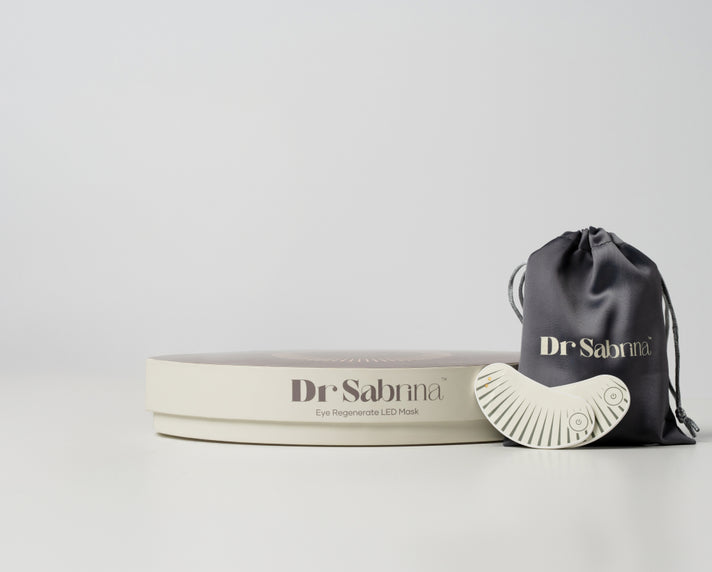
A warm compress can help soothe irritation and support eyelid hygiene, especially in cases linked to blepharitis. Some people prefer using an Eye Mask designed for gentle warmth and comfort around the eye area.
5. Medical Advice for Persistent Symptoms
If redness lasts more than a few weeks, keeps returning, or worsens, a professional assessment is important. Prescription treatments may be needed for conditions such as eczema or chronic blepharitis.
Daily Habits to Prevent Eyelid Redness
Small changes in daily routines can reduce flare-ups:
-
Clean the eyelids gently every day
-
Avoid rubbing or touching the eyes.
-
Remove makeup fully before being.d
-
Limit screen time and take breaks from the screen.
-
Use fragrance-free products near the eyes.
Consistency matters more than using many products.
When to Be Concerned About Eyelid Redness
You should seek professional advice if:
-
Redness is painful or affects vision
-
There is significant swelling or discharge.e
-
Symptoms keep returning despite gentle care.
-
Only one eye is affected for a long time.
These signs may indicate an underlying condition that needs medical treatment.
Final Thoughts
Eyelid redness is often a sign that the skin around the eyes needs gentler care and better protection. By understanding the causes, avoiding triggers, and choosing products designed specifically for sensitive eyelids, it’s possible to calm irritation and prevent recurring flare-ups.
If symptoms persist, professional guidance ensures the right treatment plan for long-term eye comfort.
FAQs
1. Is eyelid redness common?
Yes, it’s very common due to the delicate nature of eyelid skin and frequent exposure to irritants.
2. Can stress cause red eyelids?
Stress can worsen inflammation and skin sensitivity, contributing to flare-ups.
3. Should I stop wearing makeup if my eyelids are red?
Yes, it’s best to pause eye makeup until the redness settles to avoid further irritation.
4. How long does eyelid redness take to improve?
Mild cases may improve within days, while chronic conditions can take weeks with consistent care.


